Key Takeaways
- Hyrox combines eight runs of 1000 meters with eight functional workout stations.
- Events draw thousands of participants globally, from elite athletes to daily gym members.
- Standardized layouts ensure identical conditions across every city and venue.
- Growth projections indicate continued expansion into new international markets.
What Drives The Massive Popularity Of Hyrox Events?
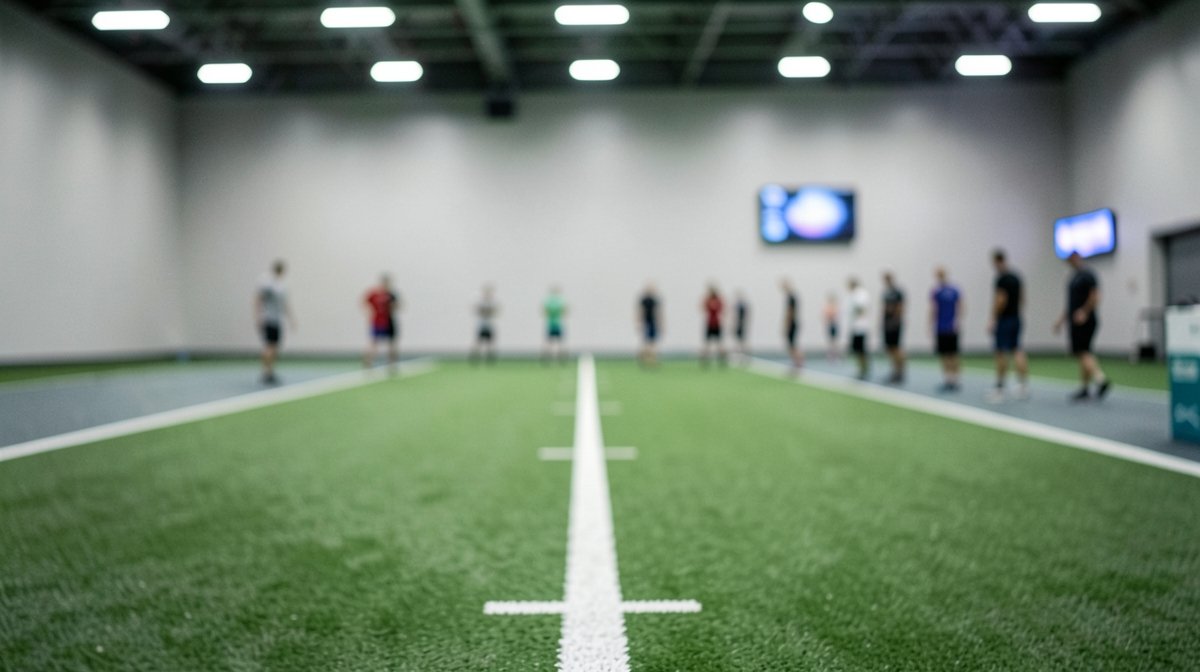
Hyrox delivers a standardized fitness competition that bridges the gap between endurance running and functional strength training. According to a report by The Economist published in recent months, the fitness craze continues to grow aggressively across multiple continents, drawing thousands of competitors to massive indoor exhibition spaces. We have found that participants crave a measurable goal that tests both cardiovascular capacity and muscular endurance in a single unified test.
When you complete an event, you receive a precise global ranking that compares your time against every other competitor in your age group worldwide.
The format removes the guesswork from obstacle racing by keeping the exact same physical layout at every single location. Every athlete runs one kilometer before entering a designated workout zone to complete movements like the sled push, row, or burpee broad jump. This consistency allows you to track your personal performance improvements accurately across different seasons and cities. Why do traditional gym members switch to this style of training?
Because it provides a clear competitive milestone without requiring the technical gymnastics found in other functional sports. Can you prepare for this using standard gym equipment? Absolutely, as long as you structure your intervals to match the specific energy demands of the race.
Do this: Test your base aerobic capacity this week by running one kilometer at a moderate pace, then immediately performing twenty burpees to gauge your current recovery rate.
How Is The Standardized Race Format Structured For Competitors?
Every Hyrox race follows an unvarying sequence that begins with a one-kilometer run and concludes with wall balls. You alternate between running and functional stations for a total of eight running segments and eight specific exercise zones. The first station is the ski erg, which tests upper body power and aerobic output over 1000 meters.
Next comes the sled push, requiring you to move a heavy weighted sled across a turf floor using leg drive and core bracing. Following that is the sled pull, which demands continuous posterior chain engagement as you hand-over-hand pull a heavy strap. The fourth station introduces burpee broad jumps, challenging your explosive hip extension and cardiovascular stamina simultaneously.
Then you face the rowing machine for a sustained 1000-meter effort that taxes your lats and legs. Station six involves the farmer carry, testing your grip strength and upper back stability under heavy loads. Sandbag lunges form the seventh station, forcing your quadriceps and glutes to work through deep ranges of motion.
Finally, you finish with 75 to 100 wall balls, demanding precise shoulder endurance while your heart rate sits near its maximum threshold.
The standardization creates a level playing field where athletes can compare times down to the single second across different countries. You do not have to worry about muddy terrain or unexpected obstacles altering your finish time. The predictable nature of the course lets coaches design precise training cycles tailored to the exact distances and weights you will face on race day. What is the most challenging aspect for first-time competitors?
Most athletes underestimate the impact of running immediately after heavy leg fatigue sets in during the sled push or lunges. How do you mitigate that drop in running speed? You must practice running on tired legs during your weekly brick sessions by placing moderate strength work right before your interval runs.
Watch for: Monitor your heart rate closely during the middle stations so you do not burn out before the final wall ball sequence.
Why Do Everyday Gym Members Choose This Over Traditional Training?
Everyday fitness enthusiasts embrace Hyrox because it replaces monotonous treadmill sessions with a purposeful, goal-oriented training objective. Traditional bodybuilding routines often lack a clear cardiovascular metric, while pure running ignores upper body strength development entirely. This hybrid model fills that gap by challenging both energy systems within a single sixty-minute workout window.
We see many clients who previously lost motivation in commercial gyms suddenly rediscover their drive when preparing for a specific race date. The community aspect also plays a massive role, as thousands of spectators fill the arenas to cheer on friends and strangers alike. When you train alongside a group with the same objective, adherence rates climb significantly compared to solo workouts. Does this require specialized coaching to get started?
Not necessarily, but having a structured pacing strategy prevents you from starting too fast and burning out on the early runs. How does this compare to standard CrossFit classes? Hyrox focuses strictly on repeatable endurance tasks rather than complex barbell lifts, making it much more accessible for older or injury-prone adults.
The move: Incorporate one simulated mini-race into your monthly schedule by alternating a 400-मीटर run with a heavy carry four times.
FAQ
What fitness level do I need before signing up for my first race?
You do not need to be an elite athlete to participate, as the event welcomes all fitness levels. Many competitors choose the open division, which features lighter weights and allows you to complete the course at your own pace.
How should I structure my weekly training schedule to prepare?
A balanced week includes three running sessions focusing on intervals and endurance, alongside two strength days emphasizing legs and core. Adding a combined brick session once a week helps your body adapt to running immediately after lifting.
Are there age divisions for older competitors?
Events feature multiple age categories spanning five-year increments, allowing you to compete directly against peers in your exact demographic. This ensures fair competition and realistic performance benchmarks throughout your master years.