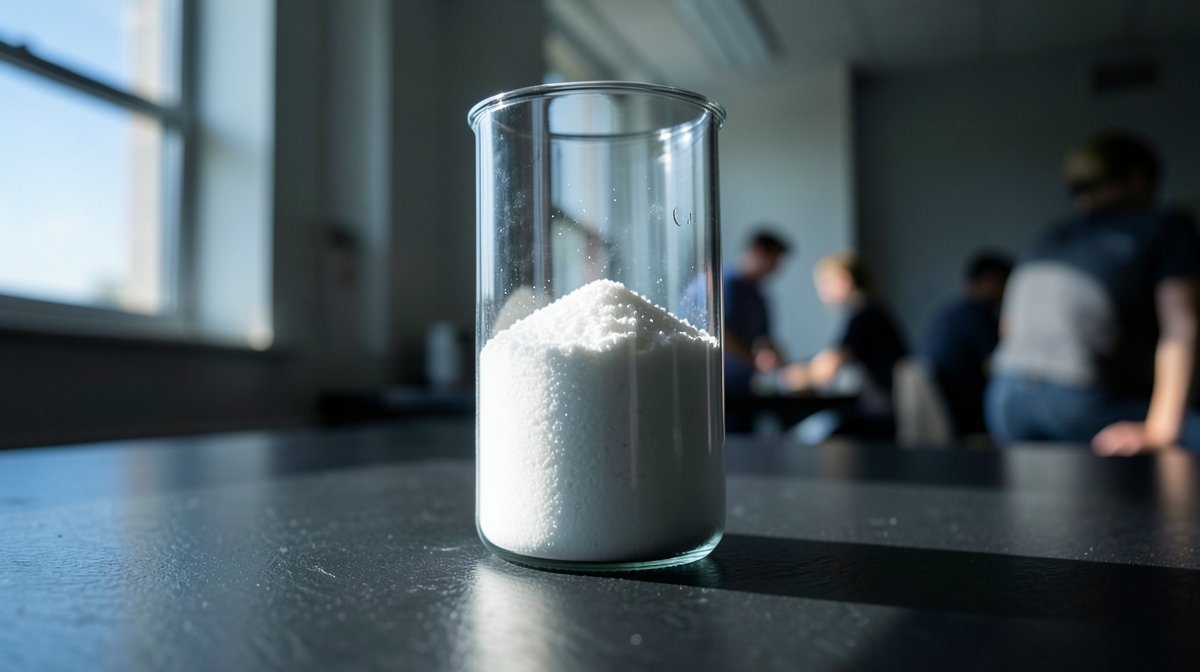
Reaching a systemic threshold of 2.7 to 3.5 grams of leucine in a single feeding triggers muscle protein synthesis by fully activating intracellular mTORC1 pathways. Without hitting this biochemical concentration, amino acids contribute to whole-body energy oxidation rather than initiating muscular repair. Decades of isotopic tracer research show that post-meal muscular growth depends on exceeding this specific amino acid threshold.
Key Takeaways
- Hitting 2.7 to 3.5 grams of leucine per meal initiates maximum protein synthesis.
- Intracellular sensor Sestrin2 requires high leucine saturation to activate mTORC1.
- Muscle full effect creates a three to five hour refractory window between meals.
- Older adults require up to four grams per dose to overcome anabolic resistance.
What Is the Leucine Trigger Mechanism in Muscle Tissue?
Leucine acts as an independent chemical ignition switch that directly signals the cell to begin building new contractile proteins. It binds directly to the intracellular sensor protein Sestrin2, which releases the GATOR2 complex and subsequently recruits mTORC1 to the lysosomal membrane where protein translation begins.
In our experience, lifters often assume that all dietary amino acids stimulate tissue repair equally. That is an incorrect model of human physiology. While other essential amino acids supply the raw physical building blocks for new muscle fibers, leucine alone serves as the primary metabolic catalyst. Without adequate leucine concentration inside the cell, translation initiation factors remain dormant regardless of total caloric intake.
Do your post-workout meals actually cross this molecular threshold? When blood leucine levels surge rapidly after digestion, phosphorylation of downstream targets like p70S6K and 4E-BP1 spikes within thirty minutes. This biological signal tells your ribosomes to assemble new peptide chains at maximum velocity.
- Measure meal quality: Check that your chosen protein source supplies a minimum of 2.7 grams of bioavailable leucine per sitting.
How Much Total Protein Delivers the Optimal Leucine Dose?
Achieving a complete three-gram leucine dose requires consuming roughly 25 to 35 grams of high-quality dairy, egg, or meat protein, or up to 45 to 50 grams of isolated plant sources. Whey isolate holds the highest natural density, offering roughly eleven grams of leucine per 100 grams of dry powder.
A standard six-ounce chicken breast yields roughly 3.2 grams of leucine alongside 45 grams of complete protein. Conversely, plant proteins like pea or soy contain roughly six to eight percent leucine by weight. You must ingest significantly larger portions of plant proteins to produce the identical intramuscular signaling cascade.
We have found that athletes on plant-based diets often fall short of this triggering threshold if they simply match standard omnivorous serving sizes. Supplementing lower-density meals with a single gram of free-form leucine powder solves this limitation cleanly without requiring excess total food volume or unwanted calories.
- Adjust plant portions: Consume at least 42 grams of total protein when eating purely plant-based meals to guarantee threshold saturation.
Why Does the Muscle Full Effect Create Refractory Windows?
Muscle protein synthesis remains high for roughly ninety to one hundred twenty minutes after a threshold dose before returning to baseline, regardless of continued high amino acid availability in the bloodstream. This biological refractory state, known as the muscle full effect, prevents chronic over-activation of cellular translation machinery.
Flooding your circulation with constant protein every hour does not produce continuous growth. Classic kinetic trials from Phillips and colleagues demonstrate that intracellular signaling mechanisms desensitize after roughly two hours. Circulating amino acids consumed during this refractory period get diverted to hepatic urea synthesis or burned as fuel instead of building tissue.
Why waste expensive protein supplements on desensitized tissue? Spacing whole meals three to five hours apart allows the intracellular Sestrin2 sensor to reset its chemical sensitivity. This periodic pulsing strategy creates distinct, repeated spikes in translation efficiency across a standard twenty-four-hour training day.
- Space feeding windows: Separate high-protein feedings by three to four hours to let cellular signaling mechanisms regain full sensitivity.
How Does Anabolic Resistance Alter Leucine Needs With Age?
Aging muscle tissue exhibits blunted intracellular signaling, requiring approximately 3.5 to 4.0 grams of leucine per feeding to trigger the same rate of protein synthesis that younger adults achieve with just two grams. This anabolic resistance stems from reduced microvascular perfusion and declining mitochondrial enzyme efficiency.
Research published in the American Journal of Clinical Nutrition confirms that older individuals experience a sluggish mTORC1 response following standard twenty-gram protein meals. When researchers fortified those identical meals with additional free leucine, protein synthesis rates climbed back up to levels observed in healthy twenty-year-olds.
To counteract this progressive desensitization, masters athletes must intentionally prioritize dense leucine sources at every main meal. Distributing your daily intake into three or four distinct boluses of forty grams of high-quality protein preserves functional skeletal muscle mass and safeguards metabolic health across decades of training.
- Fortify master meals: Increase single-meal protein targets to 40 grams or add two grams of free-form leucine if you are over age fifty.
FAQ
Can you take free leucine powder instead of whole food protein?
Free leucine triggers the initial mTORC1 activation cascade, but sustained protein synthesis requires all nine essential amino acids as building materials. Taking leucine alone without sufficient accompanying amino acids causes intracellular translation to stall abruptly within forty-five minutes due to a lack of structural substrate.
Does consuming extra leucine beyond the threshold build more muscle?
Consuming more than three to four grams of leucine in a single sitting yields diminishing returns. Once the Sestrin2 sensor is fully saturated and mTORC1 is recruited to the lysosome, additional leucine is simply oxidized for energy or cleared by the liver without accelerating synthesis rates.
What is the fastest digesting protein source for leucine delivery?
Whey protein isolate digests most rapidly, producing a sharp arterial leucine peak within forty-five to sixty minutes of ingestion. Intact whole foods like beef or eggs digest more slowly, producing a lower, wider leucine curve that still successfully crosses the activation threshold when portioned correctly.
Does dietary fat slow down leucine absorption and reduce synthesis?
Co-ingesting dietary fats slows gastric emptying, which delays the initial blood leucine peak but does not blunt total muscle protein synthesis over a four-hour window. As long as the total leucine quantity meets the threshold, the tissue repair response remains fully effective.
Targeting precise leucine thresholds turns ordinary meal planning into a predictable, biologically sound muscle-building routine that delivers reliable progress across every training phase.
Subscribe to our newsletter for weekly science-backed protocols.